01
Safety switch or circuit breaker: which one tripped?
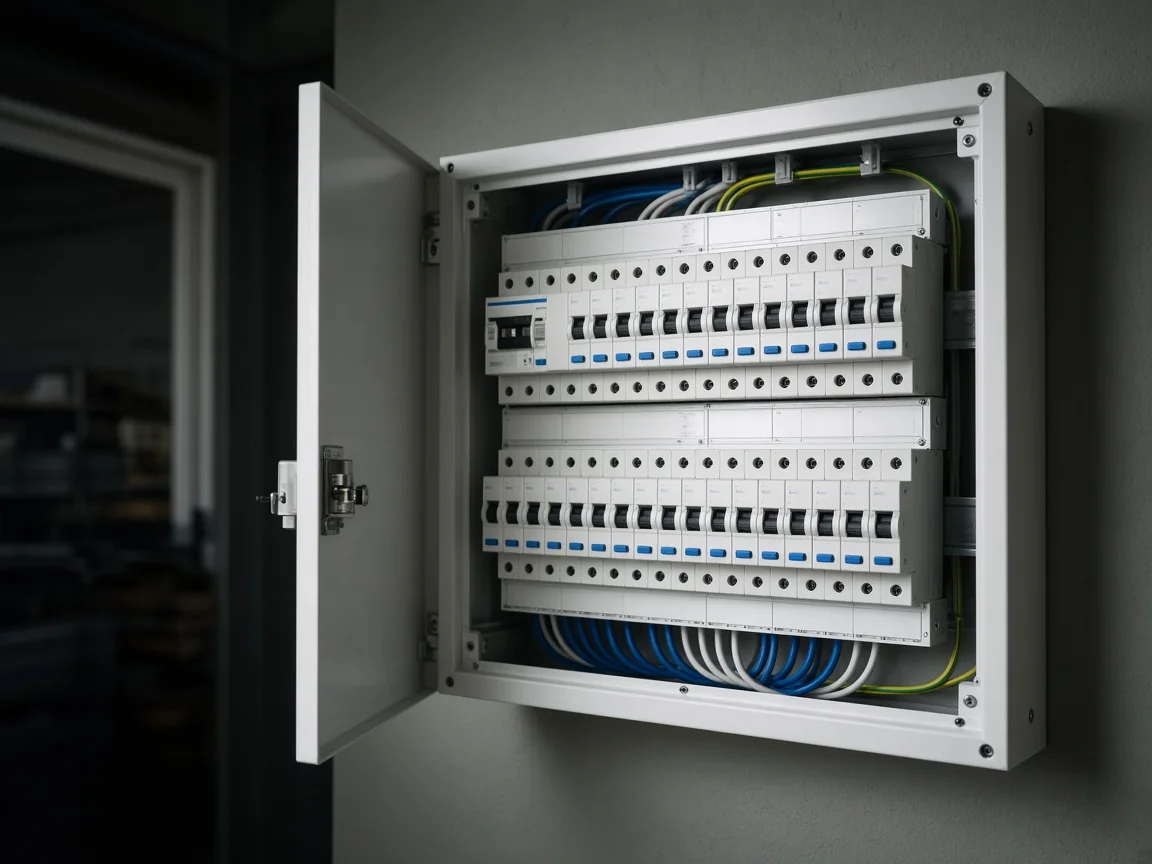
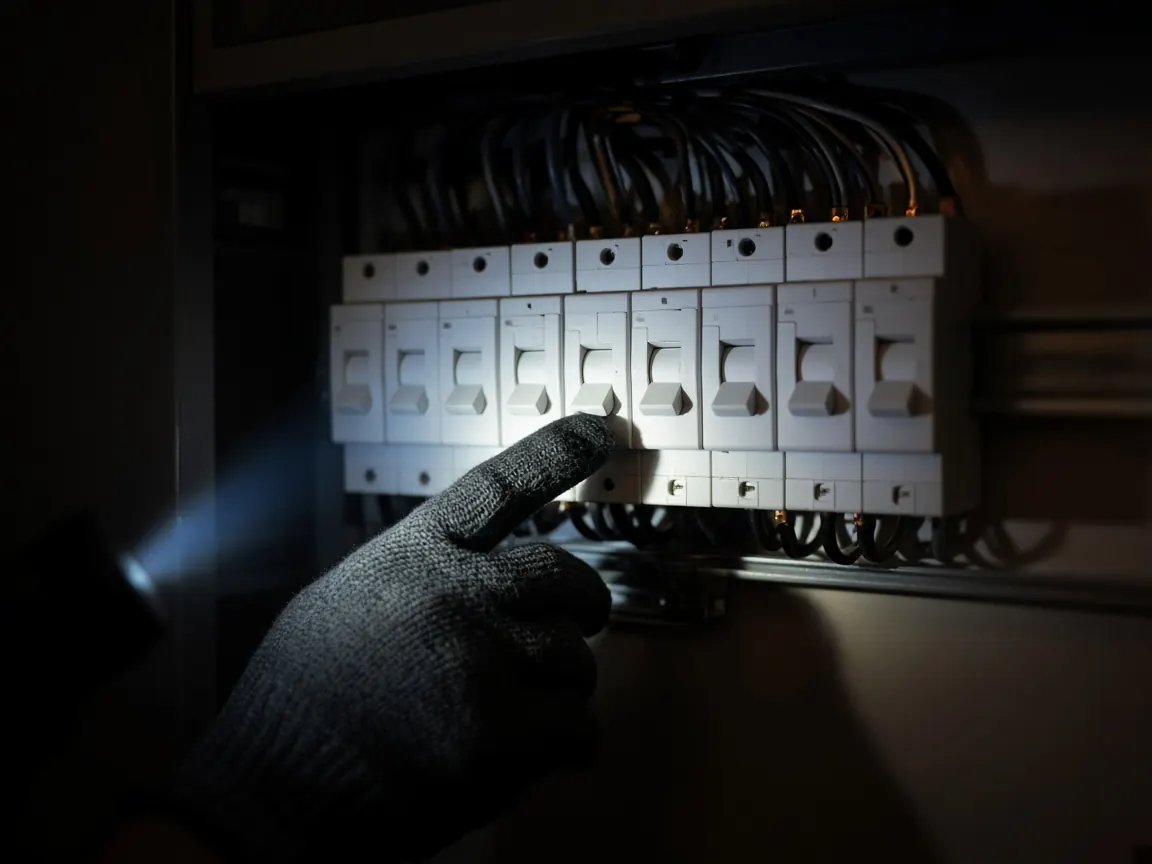
Open your switchboard and look for the switch that has dropped to the off position. Most modern Sydney switchboards have two kinds of protection, and knowing which one tripped tells you a lot about the likely cause.
A safety switch (an RCD, usually with a 'Test' button) trips when it detects electricity leaking to earth, often through faulty appliances, damaged cable or moisture. A circuit breaker trips when a circuit is drawing more current than it's rated for, either because too much is plugged in or because there's a short circuit.
02
The most common causes
In our experience across Sydney homes, repeated tripping usually comes down to one of these:
- A faulty appliance. Kettles, toasters, washing machines, fridges and pool pumps are common culprits, especially as they age.
- Moisture. Outdoor lights, garden power points and fittings in bathrooms or laundries can let water in, which is why some faults only appear after rain.
- An overloaded circuit. Running a heater, air fryer and kettle on one kitchen circuit can be more than it was designed for, particularly in older homes.
- Damaged wiring. Cables can be damaged by renovations, pests, heat or age, and a damaged cable can leak current or short out.
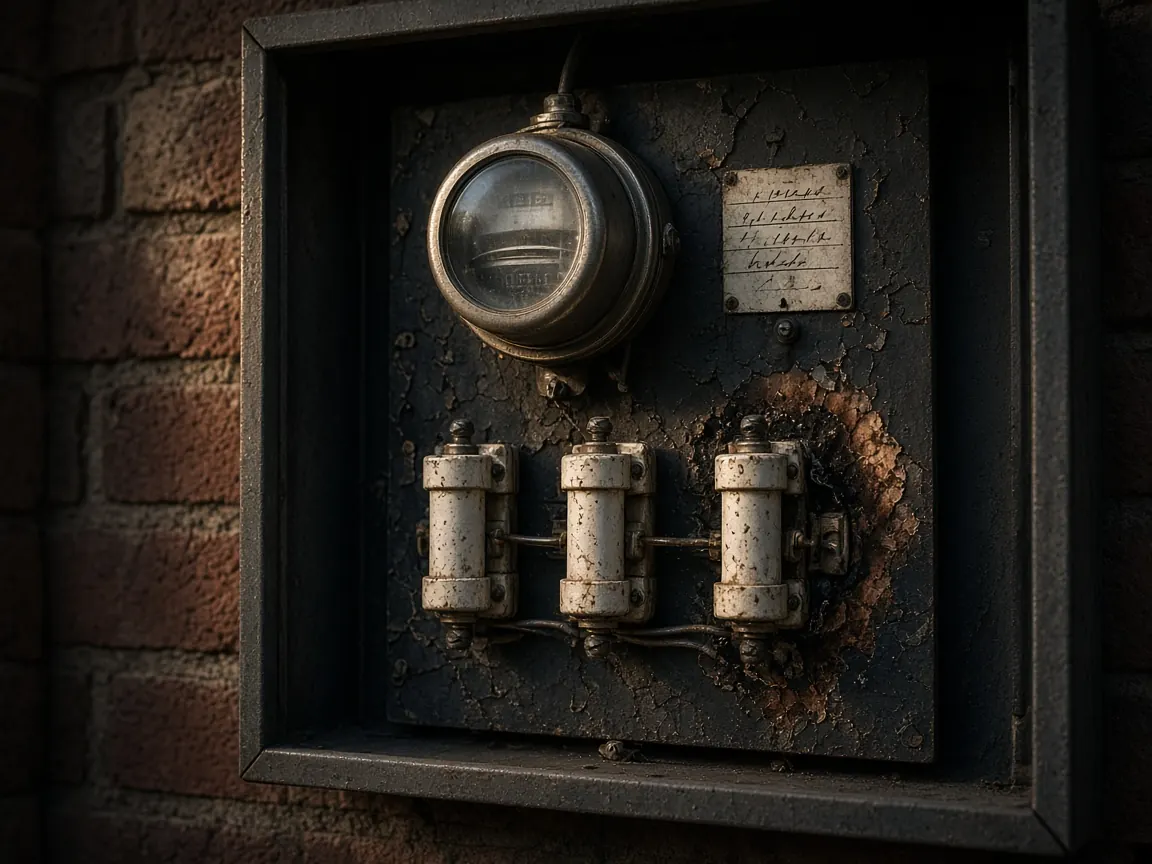
- An ageing switchboard. Worn components and loose connections can cause nuisance tripping and should be checked.
03
What you can safely check yourself
If there's no burning smell, heat, buzzing or visible damage, you can do a simple check. Turn off and unplug everything on the affected circuit, then reset the switch. If it holds, plug things back in one at a time. If it trips when a particular appliance goes back on, stop using that appliance and have it checked or replaced.
If the switch trips again with nothing plugged in, the fault is almost certainly in the fixed wiring, a light fitting or a hardwired appliance. That's a job for a licensed electrician. In NSW, electrical wiring work must only be carried out by a licensed electrician.
04
What not to do
Don't hold a safety switch in the on position, tape it up or keep resetting it over and over. Don't replace a breaker with a higher-rated one so it 'stops tripping'. These devices protect you from electric shock and fire, and working around them hides the problem instead of fixing it.
05
How an electrician finds the fault
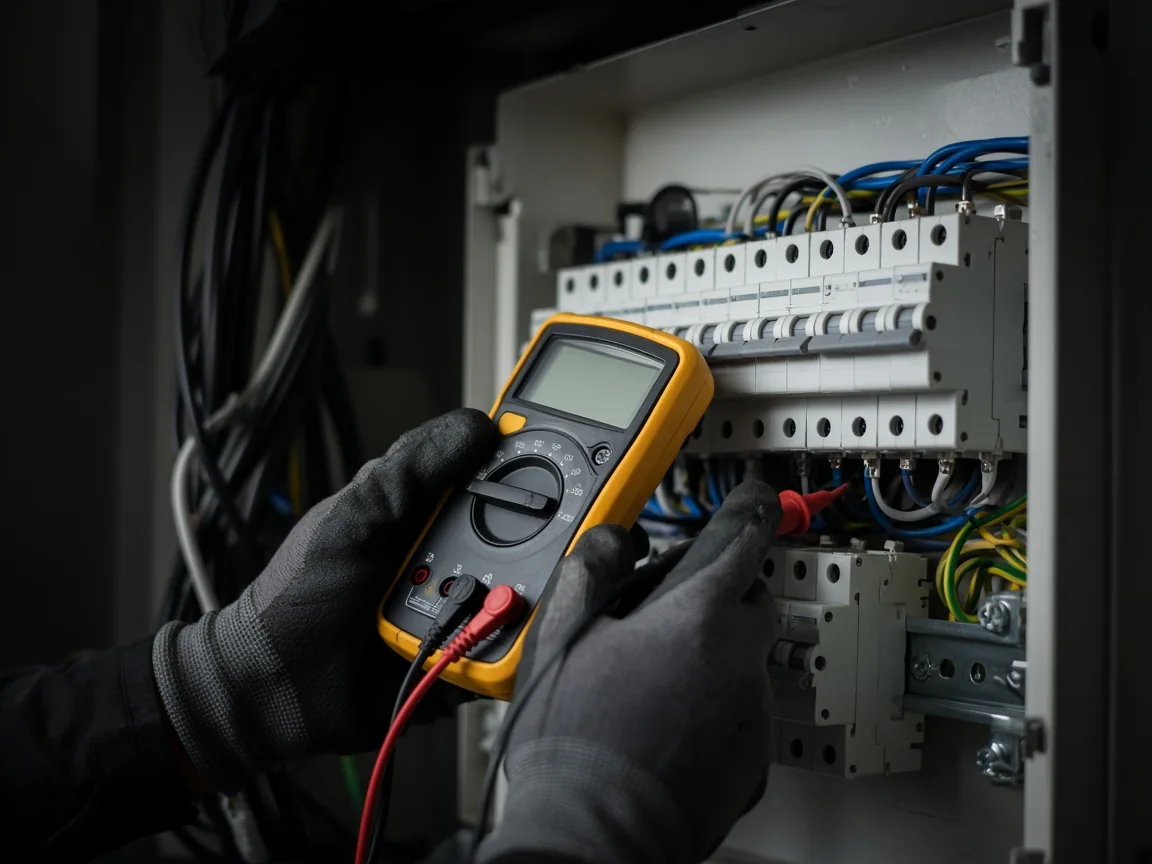
A proper fault find involves testing circuit by circuit, isolating sections of wiring and using an insulation resistance tester to locate where current is leaking. Intermittent faults that only show up in wet weather or under load can take longer to pin down, but finding the real cause is what stops the problem coming back.
If the fault turns out to be caused by an overloaded circuit or an outdated switchboard, a good electrician will explain the options plainly and give you a clear price before any further work goes ahead.
Need a hand?
Fault Finding and Repairs in Sydney
Power keeps tripping? We trace the cause and repair it so it stops coming back.
This guide is general information for NSW homeowners and isn't a substitute for advice about your specific property. Electrical work in NSW must be carried out by a licensed electrician.