01
What a safety switch actually does
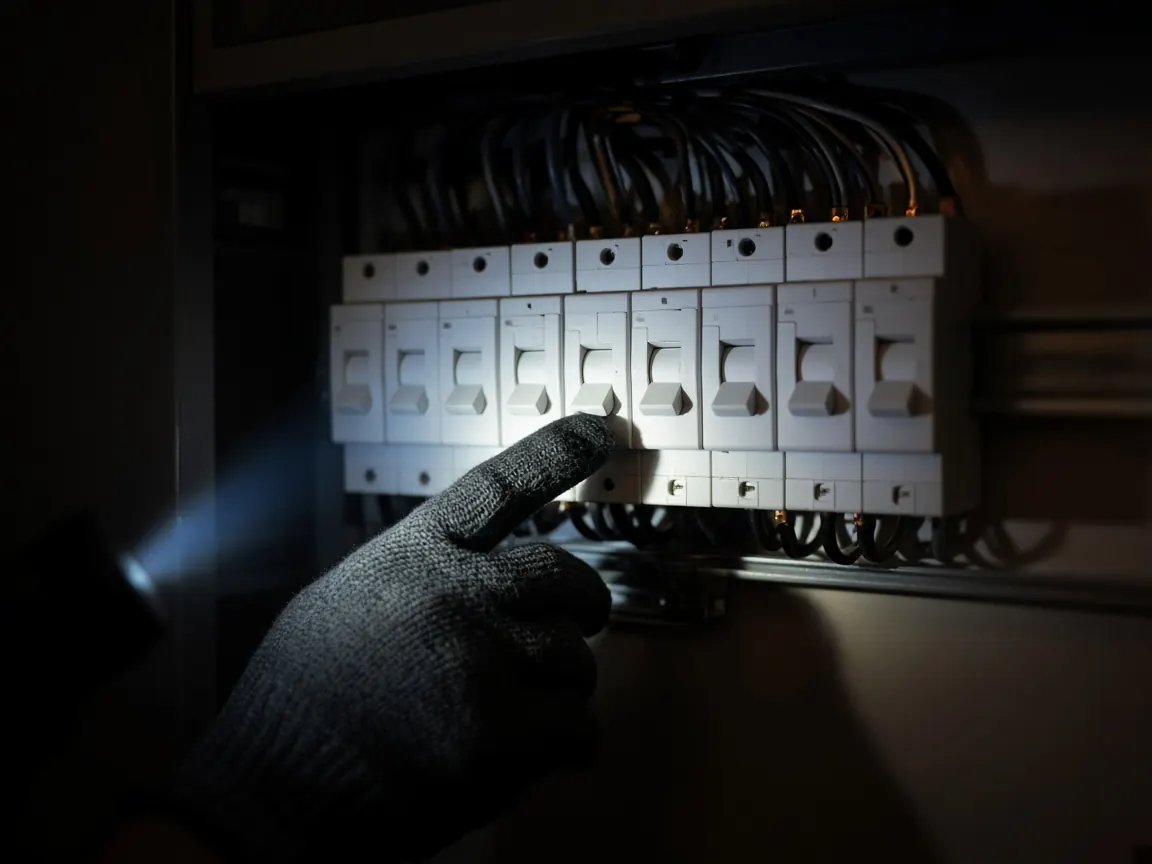
A safety switch constantly compares the current flowing out on the active conductor with the current returning on the neutral. If they don't match, some current is leaking somewhere, possibly through a person. When the difference reaches about 30 milliamps, the switch cuts power in a fraction of a second, fast enough to prevent a fatal shock in most situations.
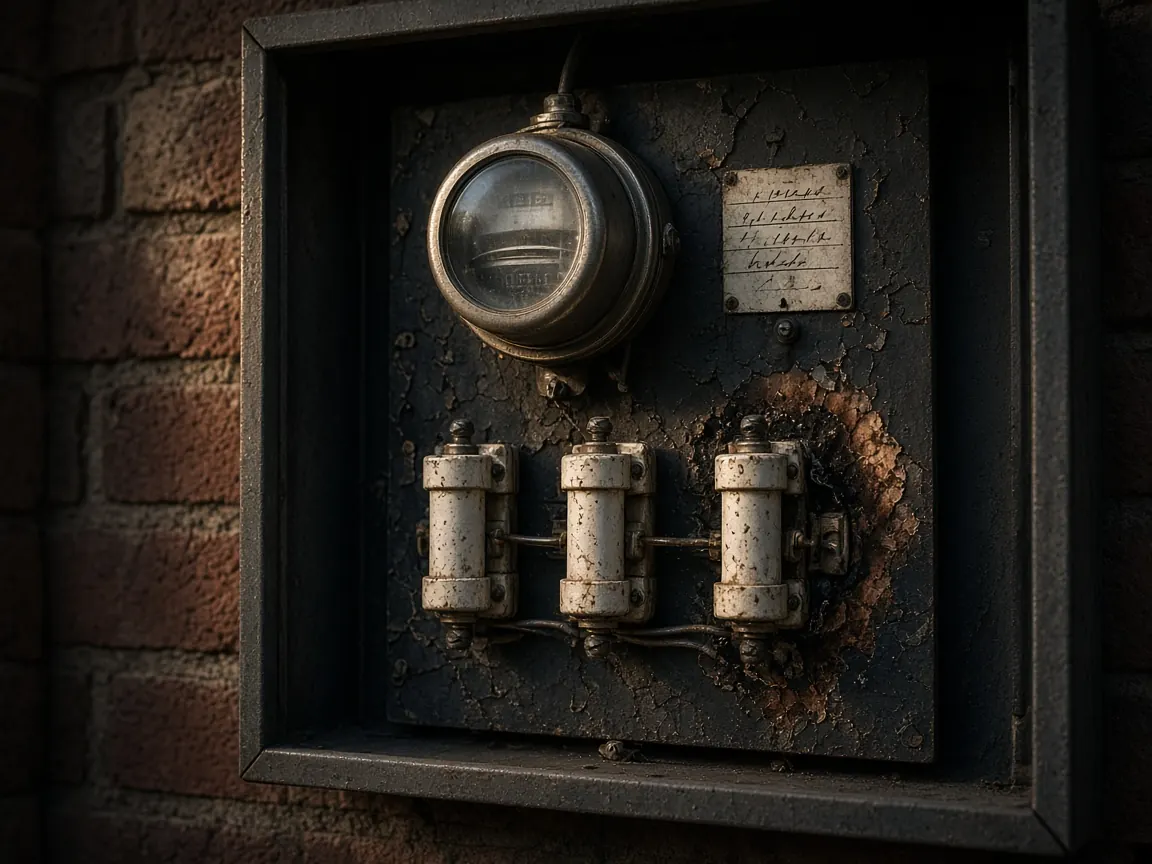
Older homes with ceramic fuses or plain circuit breakers have no protection of this kind. Breakers and fuses protect wiring from overload and short circuits, but they don't protect people from electric shock.
02
RCD: one switch protecting a group of circuits
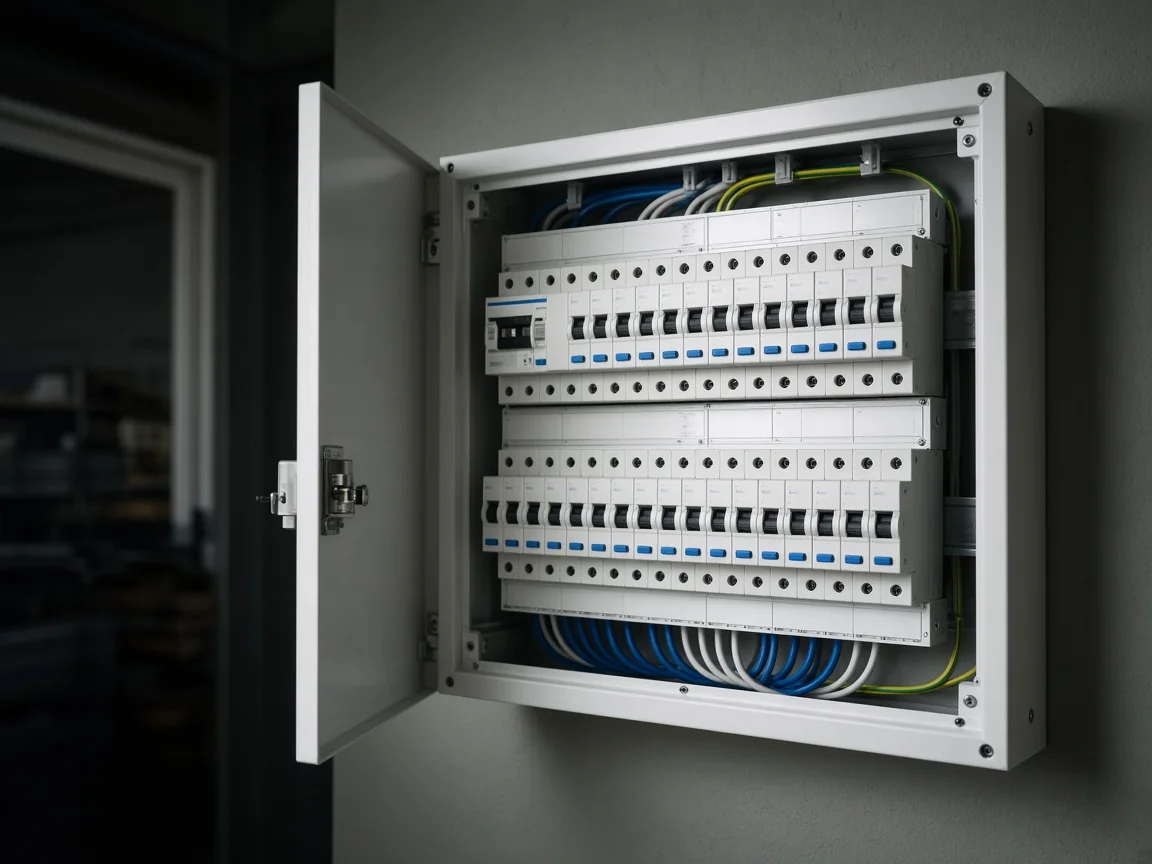
A residual current device (RCD) sits at the top of a group of circuit breakers and protects all of them. It's cost effective, but if any circuit in the group develops a leak, the RCD trips and every circuit in that group loses power. That might mean the kitchen, fridge and lights all go off together.
03
RCBO: protection for each individual circuit
An RCBO (residual current breaker with overcurrent protection) combines a safety switch and a circuit breaker in one device, for a single circuit. If that circuit has a fault, only that circuit turns off. Everything else keeps running, and it's immediately obvious which circuit has the problem.
For most Sydney homes we recommend RCBOs on every circuit where the budget allows. The upfront cost is higher, but you avoid losing the fridge because of a faulty outdoor light, and fault finding is faster.
04
What the wiring rules require
Under the current Australian wiring rules (AS/NZS 3000), new installations and altered circuits need RCD protection on all final subcircuits, including power and lighting. There are also limits on how many circuits can share one RCD, which is part of why upgrades are usually planned around the whole switchboard.
Existing homes don't automatically have to be upgraded, but when you add circuits, renovate or replace a switchboard, the new work must meet current rules. Separately, NSW rental laws set minimum safety standards for rental properties, so landlords should get advice on what applies to their property.
05
Look after your safety switches
Press the 'Test' button on each safety switch every few months. It should trip immediately. If it doesn't, or it won't reset, call an electrician to check it. A safety switch that doesn't trip when tested isn't protecting you.
Need a hand?
Switchboard Upgrades in Sydney
Modern RCD and RCBO protection for a safer, more reliable home.
This guide is general information for NSW homeowners and isn't a substitute for advice about your specific property. Electrical work in NSW must be carried out by a licensed electrician.