01
The basic rule for every NSW home
NSW law requires at least one working smoke alarm on every level of a home, including homes that are owner-occupied, rented, or used for holiday letting. Alarms must comply with Australian Standard AS 3786. The requirement has applied to existing homes since 2006.
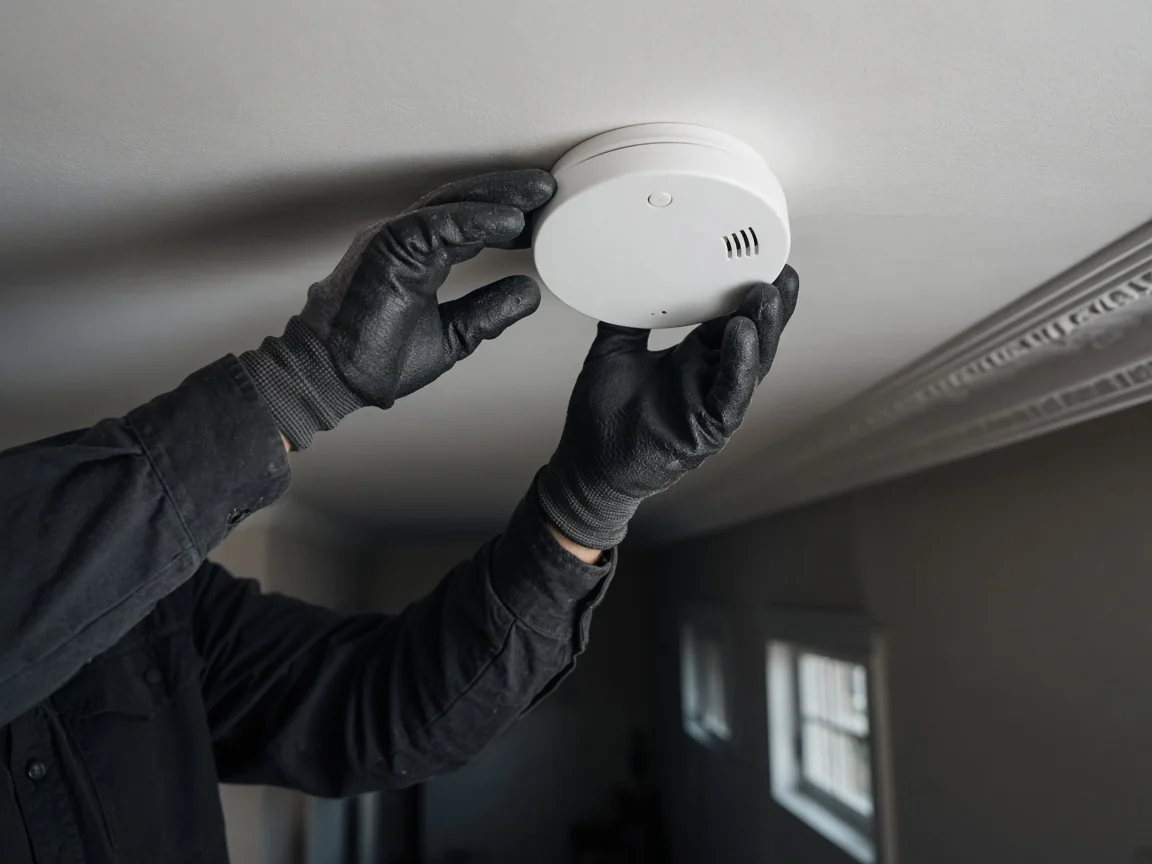
Alarms should be installed on the ceiling in hallways or areas outside bedrooms, on the path people would take to get out. Fire and Rescue NSW recommends photoelectric alarms, and suggests more coverage than the minimum, ideally in every bedroom and living area, with alarms interconnected so that when one sounds, they all sound.
02
Battery or hardwired?
Existing homes can generally use battery-powered alarms to meet the minimum requirement, provided they comply with AS 3786. Ten-year lithium battery alarms are a convenient option because the battery lasts the life of the alarm.
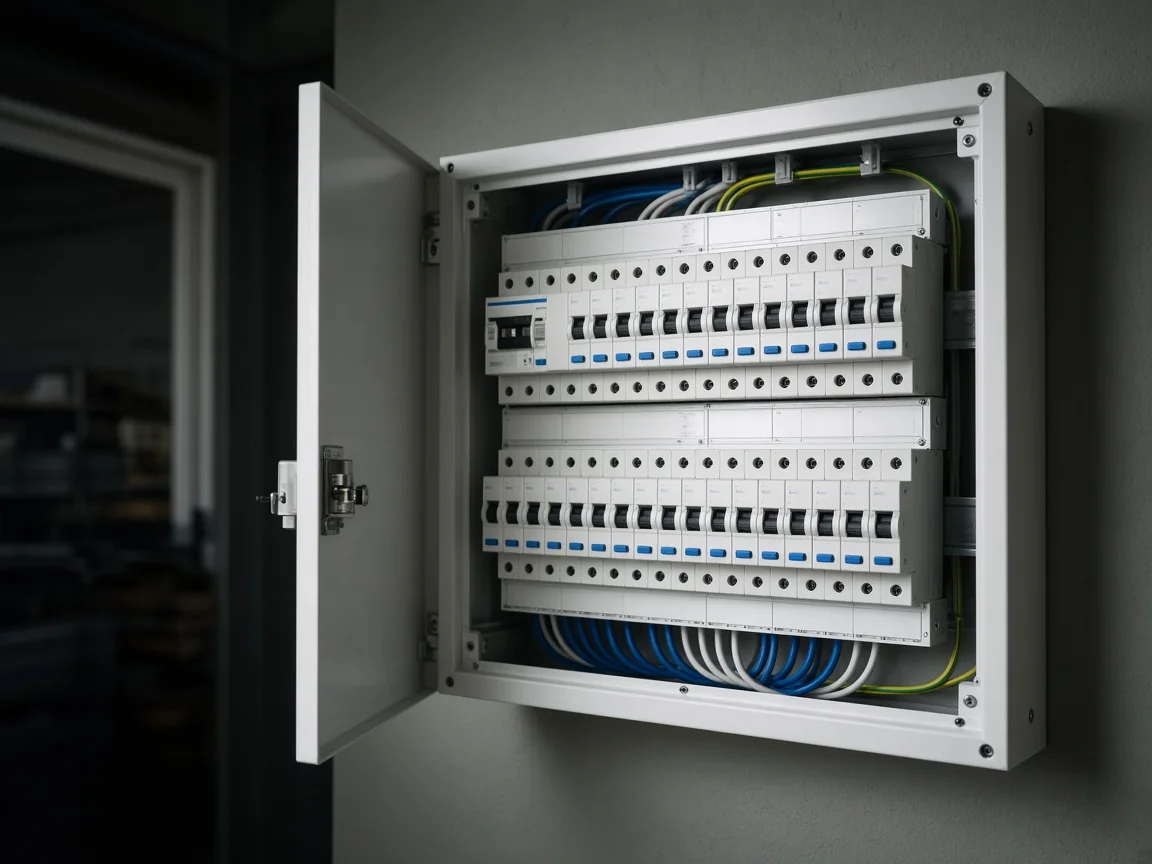
New homes and major renovations need to meet the National Construction Code, which generally requires hardwired (240V) alarms with battery backup, interconnected where more than one alarm is required. Hardwired alarms must be installed by a licensed electrician.
03
Rules for rental properties
Under NSW residential tenancy laws, landlords must make sure smoke alarms are installed and in working order. That includes checking them each year, replacing removable or lithium batteries as needed, and replacing any alarm that is faulty or past its expiry date. Hardwired alarms must be repaired or replaced by a licensed electrician.
Tenants should let their landlord or agent know straight away if an alarm isn't working. Property managers often schedule annual smoke alarm checks to keep compliance simple.
04
Keeping alarms working
A smoke alarm only helps if it works. Follow these simple steps:
- Press the test button monthly.
- Gently vacuum the vents every six months to clear dust and insects.
- Replace replaceable batteries every year, or when the alarm chirps.
- Replace the alarm at least every 10 years. The date is usually printed on the back.
- Never paint over an alarm or remove its battery to stop nuisance alarms. Have it moved or replaced instead.
05
Getting it right
If you're unsure whether your home meets the rules, or you're upgrading to hardwired, interconnected alarms, an electrician can assess your home, recommend locations and install compliant alarms with the right paperwork.
Need a hand?
Smoke Alarms and Safety Checks in Sydney
Compliant smoke alarms and electrical safety checks for peace of mind.
This guide is general information for NSW homeowners and isn't a substitute for advice about your specific property. Electrical work in NSW must be carried out by a licensed electrician.